
Know the power.
Keep it moving.
Military equipment is becoming more autonomous. Understanding its condition should become just as intelligent.
We are starting with battery diagnostics and building toward foundation models that read the health of equipment from its own signals. These are the applications we intend to pursue.
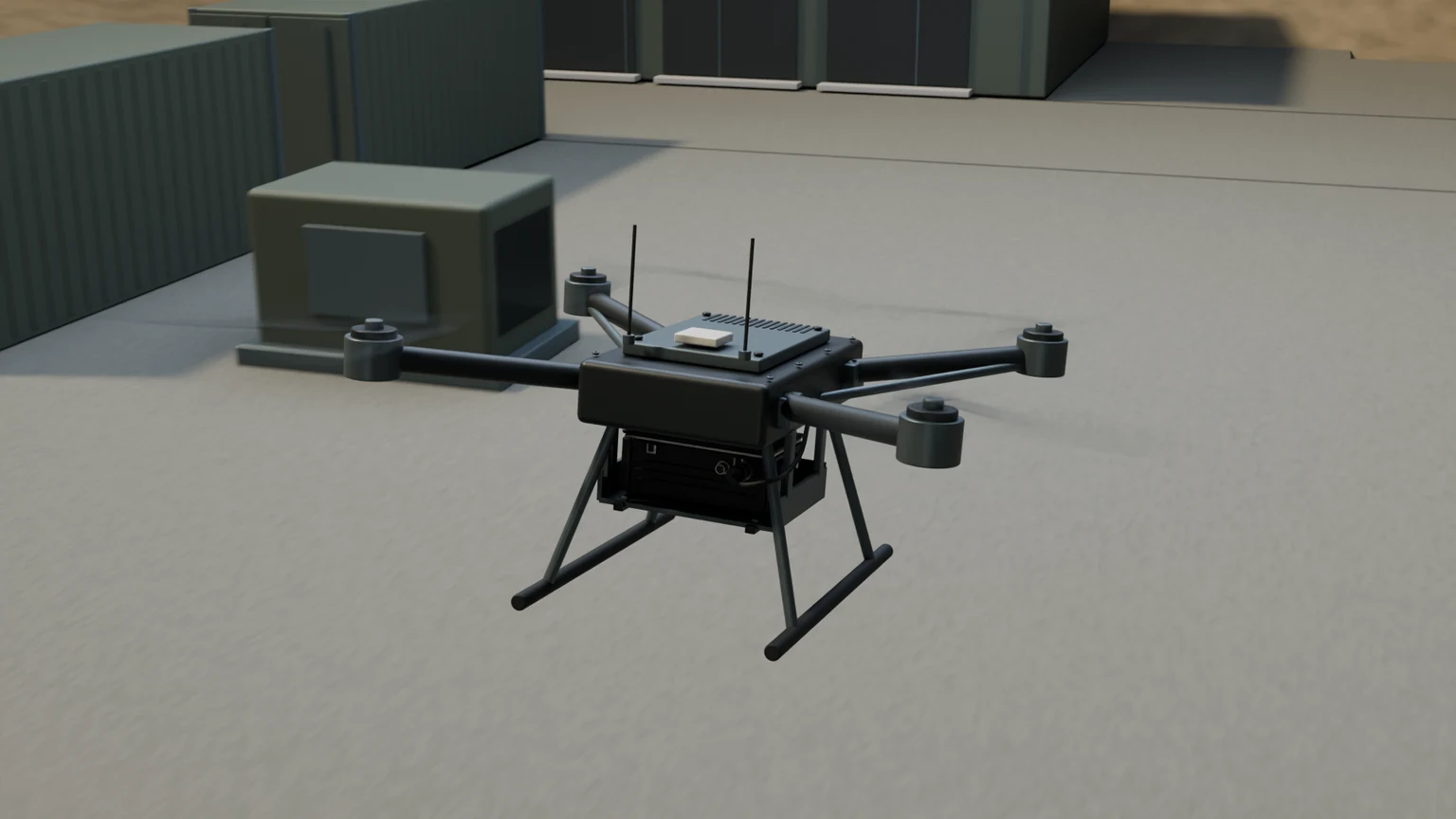
Unmanned
systems.
A battery can charge fully and still struggle under demand. We want to bring deeper health estimates into the charging and maintenance cycle of drones and mobile robots.
The first integration: battery inspection at the charging station, with estimates a technician can check against measurements.
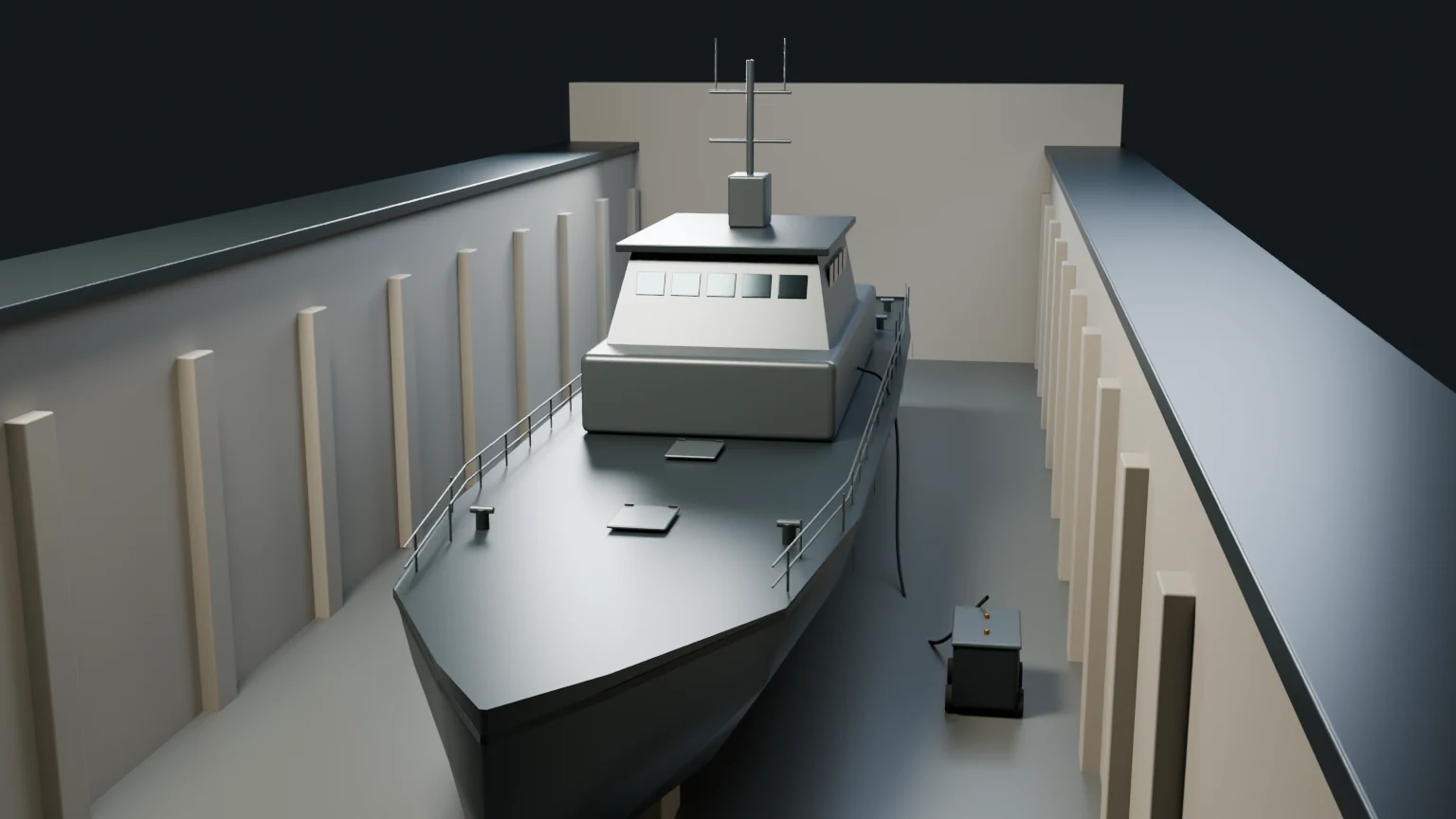
Maritime
power.
From unmanned vessels to shipboard backup power, stored energy has to be understood before it is needed. Our intended role is diagnostic intelligence for the batteries and electrical systems behind those platforms.
The opportunity: connect commissioning tests in the shipyard with a continuing picture of power-system health in service.
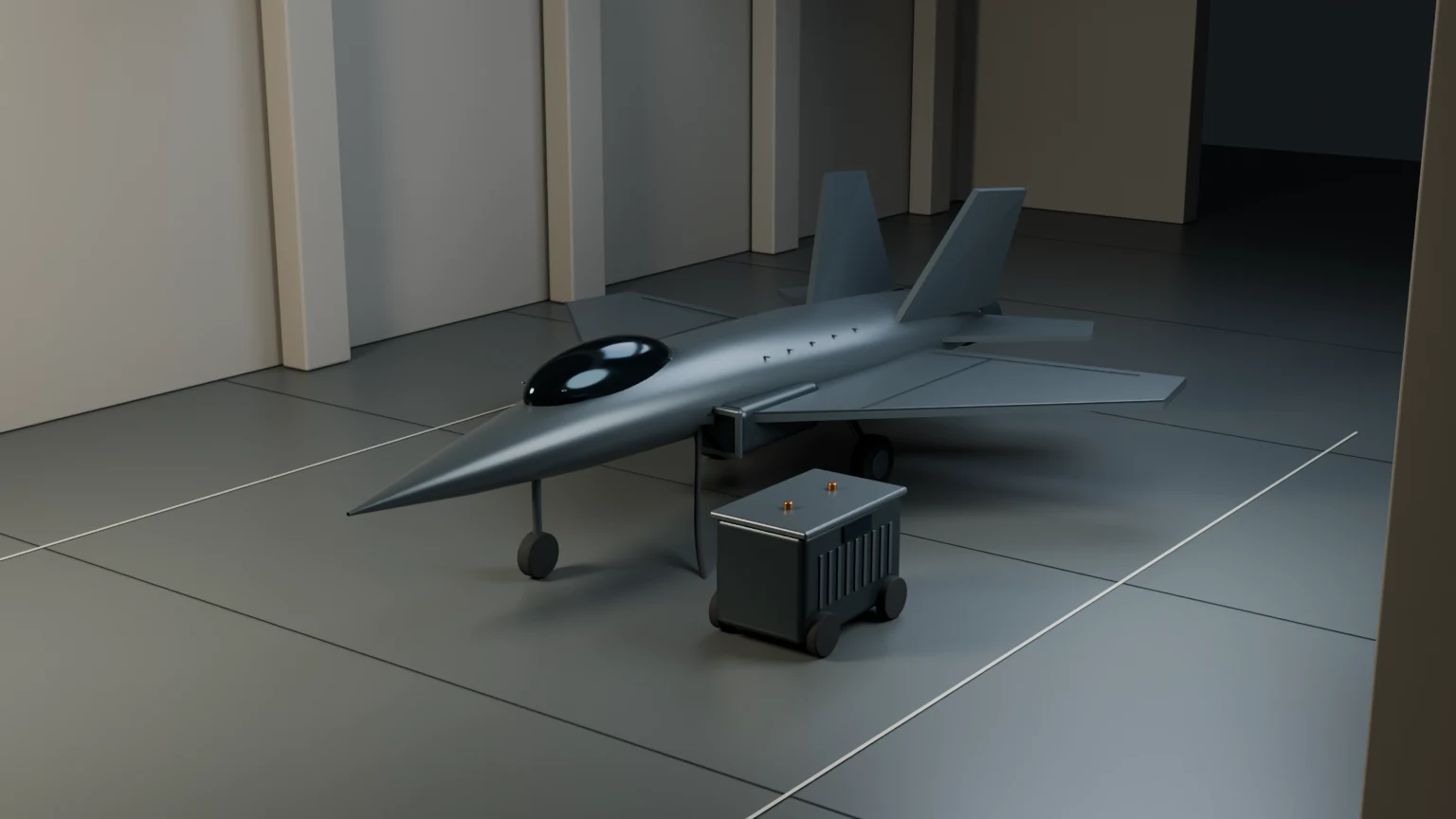
Aviation
support.
Aircraft depend on electrical power long before takeoff. Ground-support units and onboard batteries are a natural extension of our work on storage capacity and response to demand.
The opportunity: help maintenance teams assess power systems during turnaround, servicing and replacement decisions.
From a cell.
To the fleet.
Our long-term aim is a family of equipment foundation models that turn electrical, thermal and mechanical measurements into useful diagnoses. Batteries give us a concrete place to begin.
Today: measured laboratory-cell results and working local inference. Next: pack-level validation and integration with equipment makers. The aircraft and vessels here illustrate that direction; they are not deployed Njal systems.
Discuss your equipment